The National Barometer of Sports Practices 2025 (INJEP/CRÉDOC) confirms a clear shift: activities practiced alone or outdoors are on the rise, while club memberships are declining. This trend is reshaping the landscape of male leisure activities. Walking, running, cycling, manual workshops, or cultural outings are gradually replacing structured programs and restrictive subscriptions.
Autonomous practice and leisure without clubs: what the 2025 barometer reveals
Between 2018 and 2025, the share of sports practitioners who belong to a club has decreased in France. This phenomenon does not reflect a disinterest in physical activity, but rather a change in framework. Men prefer flexible formats that fit variable schedules and a controlled budget.
Walking is now at the forefront of sports practices in France, ahead of running and cycling. An accessible activity, requiring no specialized equipment or registration, it often serves as a gateway to more engaging leisure activities: technical hiking, trail running, Nordic walking.
Price remains a significant barrier. Leisure activities without subscriptions or expensive equipment (running, cycling, free access sports equipment) better meet this constraint than high-adrenaline experiences or structured workshops. Before turning to a workshop or niche sport, checking budget compatibility can prevent many dropouts after a few sessions.
Exploring the leisure activities offered by Masculin allows you to identify activities suited to this logic of free practice, without long-term commitment.
Manual workshops and crafting: concrete leisure activities that build loyalty
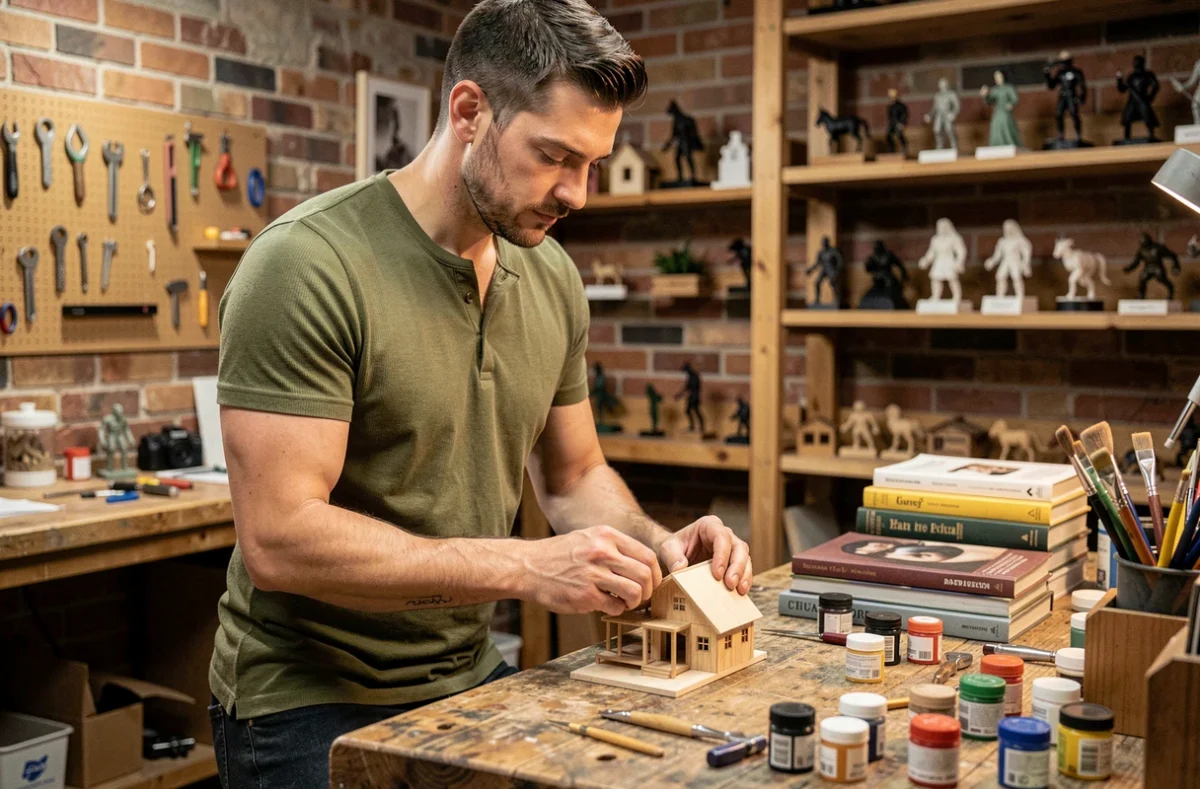
Lists of male leisure activities often include woodworking or wood sculpture without explaining why these activities retain practitioners over time. The reason lies in a simple mechanism: crafting produces a tangible result at each session. A finished object, even modest, generates a satisfaction that the repetition of a sports gesture does not always provide.
Three categories of workshops deserve attention for their cost/commitment ratio:
- Woodworking (turning, carving, small cabinetry): shared workshops in cities provide access to machines without heavy personal investment. A single introductory session is enough to produce a first object.
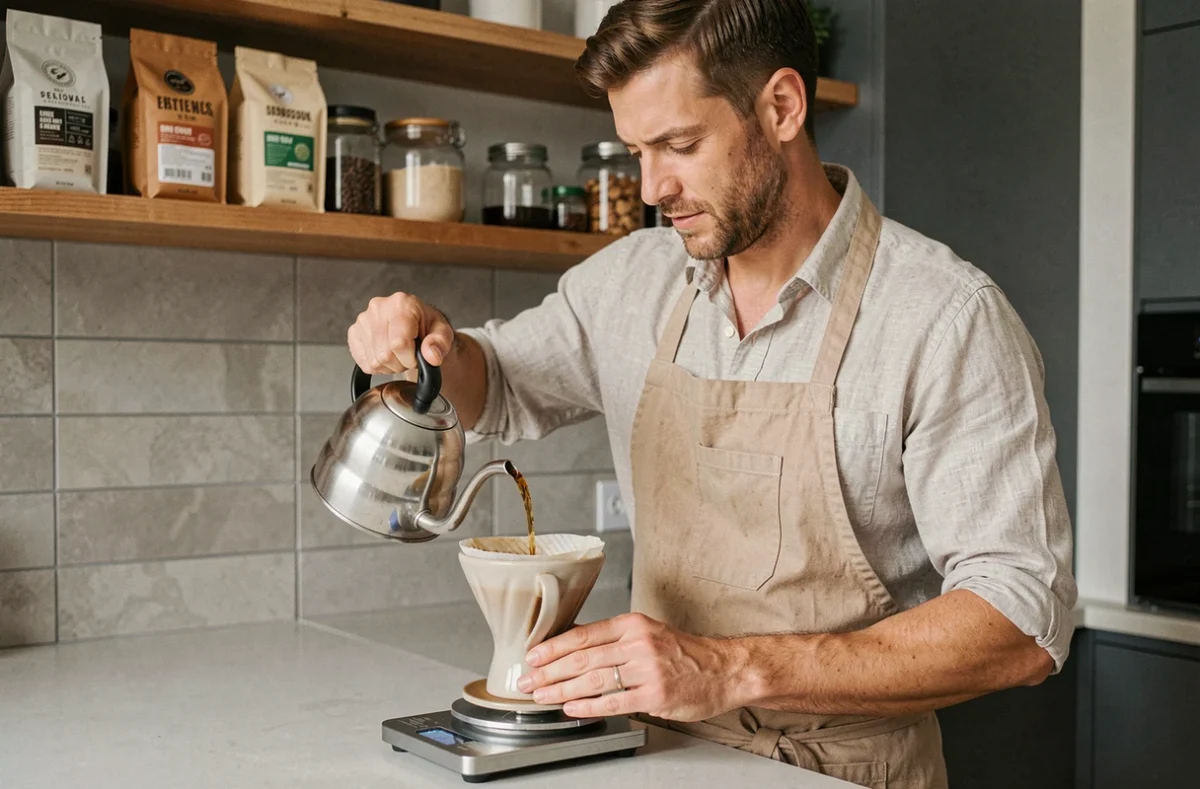
- Food fermentation (beer brewing, cheese making, lacto-fermentation): requires little equipment, has a short cycle between action and result, and offers a taste dimension that transforms leisure into a domestic skill.
- Mechanical repair (bicycles, small engines, electronics): repair cafés and community workshops are multiplying. Learning to diagnose a malfunction develops reusable knowledge for everyday life.
The common point of these activities: they do not require a particular physical level, can be practiced at one’s own pace, and each session produces measurable learning.
Cultural outings: an underutilized avenue in male leisure
Selections of leisure activities for men almost systematically overlook the cultural dimension. Data from the 2025 Cultural Outings Barometer from the Ministry of Culture show that attendance at museums, concerts, and live performances remains dynamic in France.
Three cultural formats work particularly well in solo practice or small groups:
- Escape games with historical or scientific scenarios: they combine puzzle-solving, narrative immersion, and time constraints. A short format (averaging one hour) that requires no recurring commitment.
- Thematic urban tours (architecture, street art, industrial heritage): several cities offer free or guided tours accessible without reservation. Paris has a dense offering, but medium-sized cities are also developing their circuits.
- Quizzes and game nights in bars: team cultural quizzes combine light competition and sociability without pressure. The format is suitable for both a night out with friends and a team-building activity in a company.
The appeal of these activities lies in their flexibility. No subscription, no level required, no equipment to carry.
Outdoor sports without equipment: the trio of walking, running, cycling
The INJEP/CRÉDOC barometer places walking, running, and cycling as the top trio of sports practices in France. These three activities share a structural advantage: they require neither registration nor supervision to start.
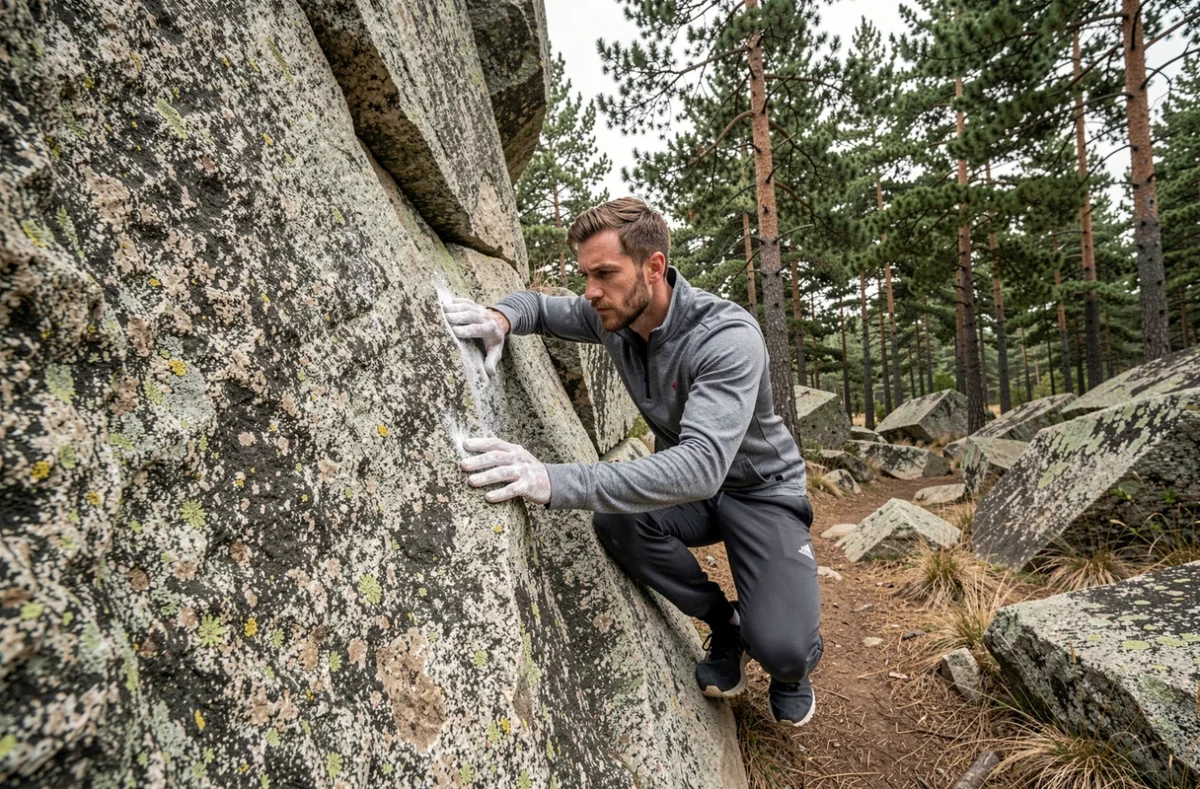
Walking, often perceived as a passive leisure activity, gains complexity as soon as a parameter is added. Walking on rough terrain, over long distances, or with a photographic objective transforms a stroll into an engaging activity. Technical hiking (elevation, navigation, camping) is the next step for those seeking a physical challenge without the logistics of a team sport.
Free running (outside of clubs, outside of competition) is progressing for the same reasons. Running at one’s own pace, on a chosen route, without time constraints, perfectly matches the profile of autonomous practice that is developing. Cycling follows the same logic, with the added advantage of being a utilitarian mode of transportation.
Occasional group activities: team building and fun with friends
Leisure is not limited to solo practice. Occasional group activities (without long-term commitment) meet a different need: sociability organized around a common goal.
The team-building format, long reserved for companies, is being adapted to the social circle. An escape game, an archery tag session, a collective cooking workshop, or a quiz activity work just as well among colleagues as among friends. The main selection criterion remains duration: short formats retain participants better than full-day events, which require heavy coordination.
These occasional activities also serve as a test. Trying a sport or workshop in a group setting allows one to assess interest before committing alone, without disproportionate financial investment.
The underlying trend remains the same: modular leisure activities, accessible without prerequisites, and compatible with a constrained schedule. Budget, geographical proximity, and the ability to practice without registration remain the three most reliable filters for choosing a sustainable activity.