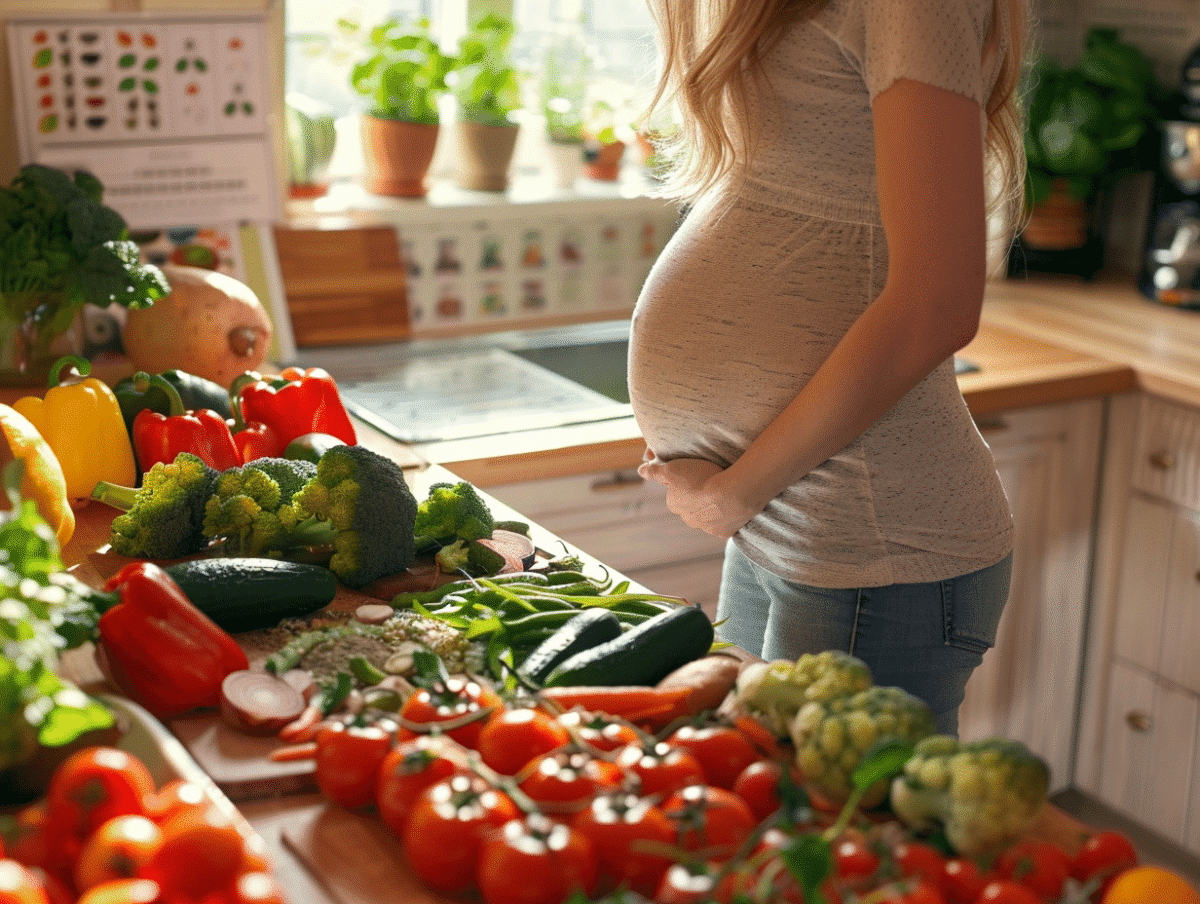
During pregnancy, nutrition plays a crucial role for both the mother’s health and the optimal development of the baby. The field of prenatal nutrition is full of advice but also scattered with myths and popular beliefs. Distinguishing beneficial dietary practices from misconceptions is not always straightforward, especially with the conflicting information regarding which foods to consume cautiously or incorporate into the diet. Future parents thus face a flood of contradictory information that requires clarification to navigate the nine months of gestation smoothly.
Foods to Favor During Pregnancy: Balancing Nutritional Needs and Common Misconceptions
At the heart of pregnancy lies nutrition, a significant ally for maternal well-being and fetal development. Despite many misconceptions, adopting a healthy and balanced diet remains key. Essential nutrients such as vitamins, iron, calcium, and omega-3 fatty acids should be prominent in the future mother’s diet. Rich in folic acid, spinach, broccoli, and leafy green vegetables help reduce the risk of neonatal malformations. Dairy products, on the other hand, are undeniable sources of calcium, essential for building the baby’s skeleton. However, in the case of ‘mozzarella and pregnancy’, be sure that the cheese is made from pasteurized milk to avoid any risk of listeriosis.
Proteins, essential for cellular growth, should be consumed regularly. They are found not only in meats and fish but also in eggs, legumes, and nuts. The amino acids they provide are the fundamental building blocks for embryonic development. Certain precautions are necessary: meats should be well-cooked to prevent toxoplasmosis, and fish should be chosen carefully to avoid mercury contamination.
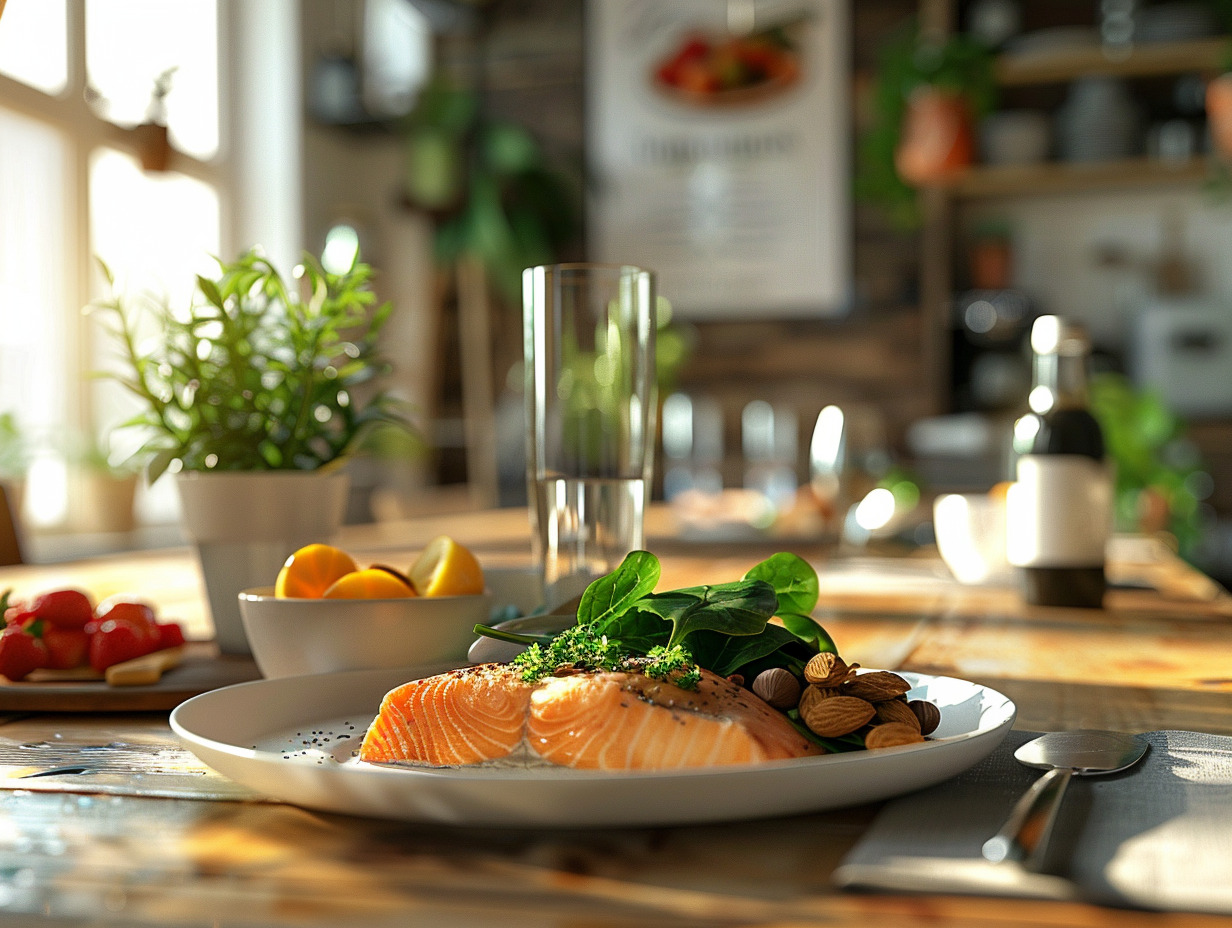
Expert advice from Anna Roy and Sylvie Coché highlights the importance of prioritizing foods rich in omega-3 fatty acids, beneficial for the fetal brain and visual development. Incorporating flaxseeds, walnuts, or fatty fish like salmon into the diet is therefore recommended, and taking dietary supplements can be considered, but always under medical supervision, to meet the specific needs arising from pregnancy.
Foods and Dietary Practices to Avoid: Separating Proven Risks from Myths
In the maze of dietary restrictions during pregnancy, distinguish proven risks from persistent myths. Foods such as foie gras, raw milk cheeses, raw meats, and raw fish should be avoided, as they may harbor pathogens dangerous to the fetus. Listeriosis, toxoplasmosis, and salmonellosis are among the conditions to avoid at all costs due to their potentially severe consequences for embryonic development and maternal health. Therefore, take care to consume pasteurized dairy products and ensure that meats and fish are thoroughly cooked.
Also consider the risks associated with certain non-food practices. Abstaining from alcohol and tobacco is absolute, as their harmful effects on pregnancy are scientifically proven. Neurotoxic essential oils and retinoids, often present in some cosmetics, should also be avoided due to their potentially harmful effects on the fetus. With the immune system altered during pregnancy, exposure to toxic substances can have significant repercussions.
Dietary precautions are fundamental for a healthy pregnancy. The diet should be adjusted to maintain a normal BMI and controlled weight gain. Follow the nutritional recommendations established by healthcare professionals to ensure adequate nutrient intake without excess that could harm the health of the mother and the unborn child. Vigilance is essential to ensure that the advice followed is based on evidence rather than unfounded beliefs.