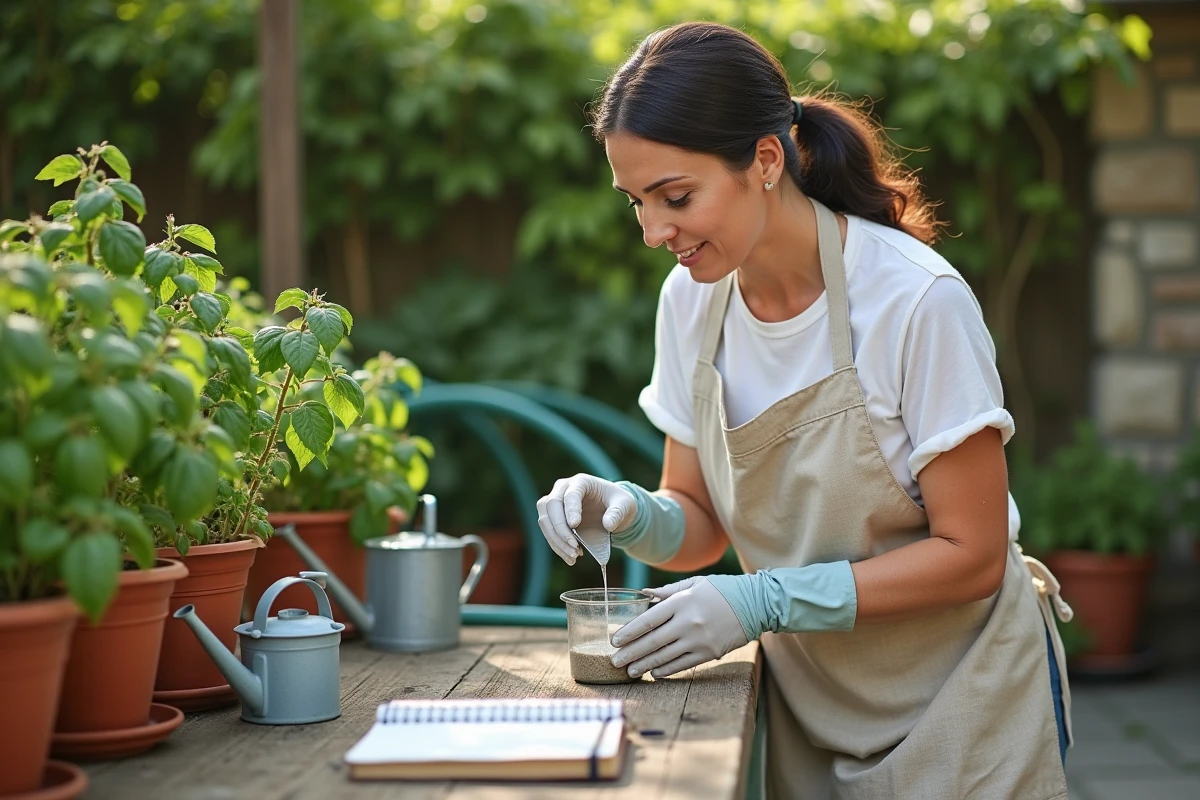
The chlorine present in tap water raises a measurable question: at what residual concentration do plants show signs of stress? The answer varies depending on plant families, the type of chlorine used by the network, and the watering method. Comparing these thresholds allows for the selection of the appropriate water treatment method, without unnecessary effort.
Residual Chlorine Thresholds by Plant Family: Comparative Table
Not all plants react the same way to dissolved chlorine. Data from field tests published by the French Carnivorous Plant Association (AFPC, quarterly bulletin no. 45, February 2026) and feedback from the National Society of Horticulture of France (SNHF, annual report 2025) provide concrete benchmarks.
| Plant Family | Tolerance Threshold for Residual Chlorine | Symptoms Beyond the Threshold |
|---|---|---|
| Carnivorous Plants | 0.1 mg/L maximum | Rapid necrosis of traps, browning of leaves |
| Ferns and Tropical Indoor Plants | Less than 0.5 mg/L recommended (SNHF) | Slowed recovery, gradual yellowing of foliage |
| Succulents and Cacti | Up to 1 mg/L | Few visible signs in the short term |
| Vegetable Plants (leafy greens, tomatoes) | Variable, irrigation with pool water prohibited since January 2026 | Accumulation in the soil, impact on microorganisms |
The gap between a carnivorous plant and a succulent is a factor of ten. Using the same watering method for these two categories makes no sense. This is the starting point for adjusting one’s dosage.
To delve deeper into the interactions between chlorine and plants, a detailed file is available on iDéco Maison France, with guidelines suitable for both garden and indoor plants.
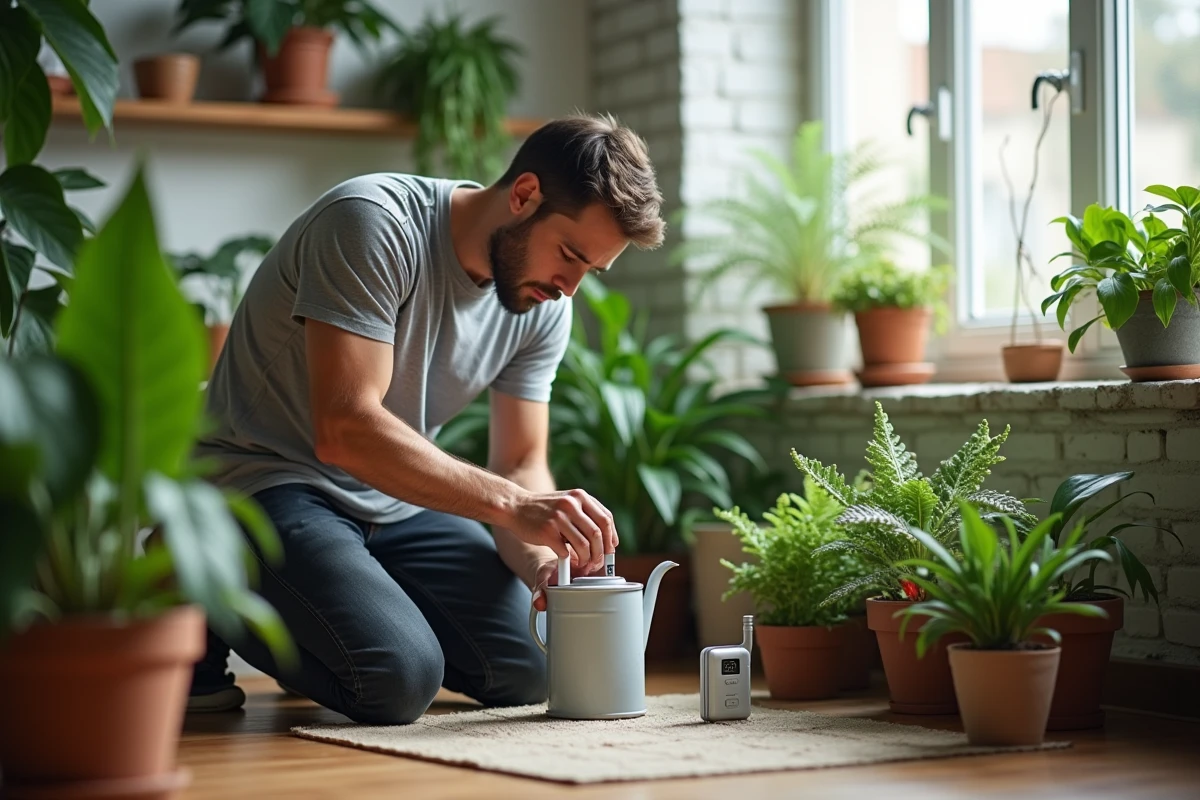
Free Chlorine and Chloramines in Tap Water: What It Changes for Watering
The French drinking water network uses two forms of disinfection: free chlorine and chloramines. The distinction has a direct impact on the dechlorination method.
Free Chlorine: Natural Evaporation
Free chlorine (sodium hypochlorite) evaporates when water is allowed to stand in the open air. A few hours are enough for free chlorine to disappear from an open watering can. This method works for gardeners who water later.
However, it does not work if the network uses chloramines. These compounds are more stable and do not evaporate naturally, even after several days of standing.
Chloramines: Filtration or Treatment Needed
To eliminate chloramines, two options provide reliable results:
- An activated carbon filter mounted on the tap or the watering hose, which retains chloramines and some heavy metals
- The addition of ascorbic acid (vitamin C), which quickly neutralizes chloramines without significantly altering the pH
- The use of collected rainwater, naturally free of chlorine, provided that the collection system is clean
The trend towards equipping homes with anti-chlorine filters for watering has accelerated since 2024, linked to a better understanding of the cumulative effects of chlorine on soil microorganisms, according to a report from INRAE published in March 2025.
Chlorinated Pool Water and Vegetable Garden: The 2026 Regulation
Since January 2026, decree no. 2025-1123 prohibits the use of chlorinated pool water for irrigating vegetable gardens in France. This ban aims to protect food crops and drinking water.
Ornamental plants are not subject to this ban. It remains legal to use the drainage water from a chlorinated pool to water flower beds or lawns. The distinction is regulatory, not biological: chlorine also affects ornamental soils, but the legislator has targeted food safety risks.
For pool owners who wish to reuse their water, the simplest solution is to allow the chlorine to dissipate by stopping treatment several days before draining, then checking the residual level with colorimetric strips.
Adjusting Residual Chlorine Dosage According to Watering Method
The method of water distribution alters the actual exposure of roots to chlorine. Drip irrigation concentrates water at the base of the plant, without dilution by the surrounding soil. Sprinkler watering disperses chlorine over the foliage and soil in a more diffuse manner.
Localized Watering: Increased Vigilance
Drip irrigation delivers chlorine directly to the root zone. Soil microorganisms, which decompose organic matter and make nutrients available, are repeatedly exposed. In clay soil where water stagnates, the effect is more pronounced than in draining soil.
For sensitive plants watered by drip irrigation (ferns, tropical indoor plants in pots), passing the water through an activated carbon filter is justified. For potted succulents, spaced watering naturally limits accumulation.
Sprinkler Watering in the Garden
Sprinkling also exposes foliage to chlorine. Leaves wet with chlorinated water can develop spots on species with fine foliage (ferns, hostas). Watering early in the morning, when evaporation is low, allows the plant to absorb the water before the chlorine dries on the surface.
Soil and Growth: The Cumulative Effect of Chlorine on Microorganisms
Chlorine does not directly kill an adult plant at the usual concentrations found in tap water. Its most documented action concerns microbial communities in the soil. INRAE has highlighted, in its March 2025 report, that regular watering with chlorinated water reduces the diversity of beneficial bacteria and fungi that participate in the decomposition of organic matter.
A soil depleted of microorganisms retains nutrients less effectively. Roots absorb nitrogen and phosphorus less efficiently. Growth slows without visible foliar symptoms, making the problem difficult to diagnose without soil analysis.
To compensate for this effect, two practices complement each other:
- Mulching the soil with compost or wood chips, which nourishes microorganisms and buffers the effect of chlorine
- Alternating tap water with rainwater when the supply allows, reducing the frequency of exposure
- Spacing waterings to the strict necessary, which mechanically limits the amount of chlorine brought to the soil
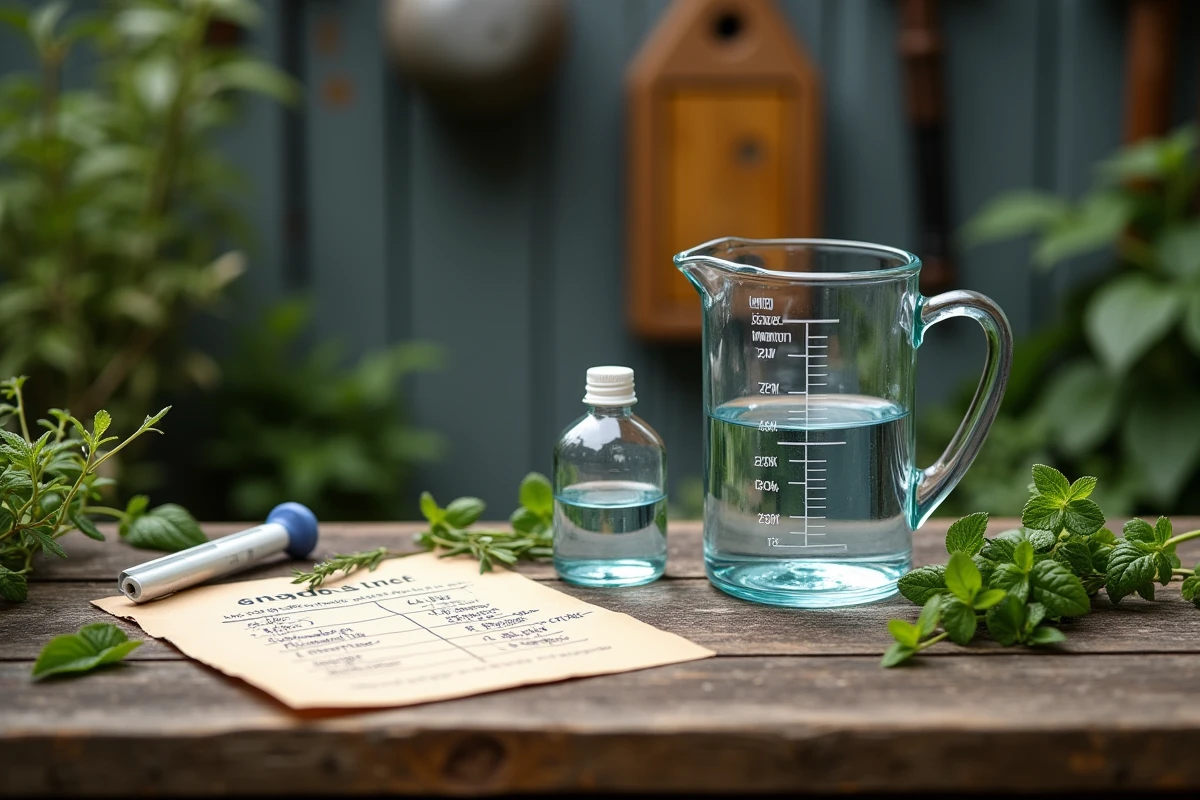
The concentration of chlorine in tap water varies by municipality and season. A simple kit of colorimetric strips, available at garden centers, allows one to know the residual level of their water and adjust their treatment method to the tolerance threshold of their most sensitive plants.