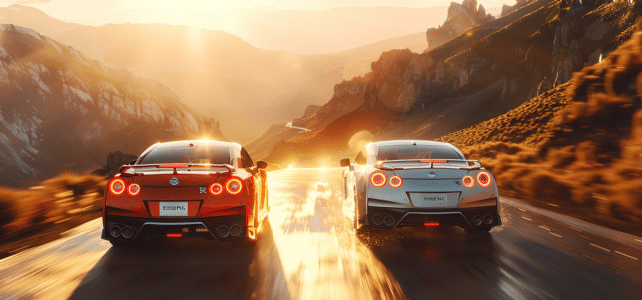
The competition in the automotive industry is fierce, and Nissan, one of the Japanese giants in the sector, is no exception. The brand has built a solid reputation thanks to a range of iconic vehicles that have made an impression both with their design and their performance. From sharp sports cars like the GT-R to robust SUVs such as the X-Trail, and agile city cars like the Micra, each model has helped shape Nissan’s identity. A close examination of these vehicles and their capabilities reveals how the brand has remained at the forefront of innovation and automotive development.
Performance Assessment: Nissan’s Flagship Models Under the Microscope
In the SUV arena, Nissan offers a range that combines aesthetics and efficiency. The Nissan Qashqai, the flagship of the brand, stands out with a top speed nearing 200 km/h and a generous trunk volume of 504 liters. Its price, starting at 31,650 euros, makes it a wise choice for SUV enthusiasts seeking comfort and performance.
The Nissan Juke, with its distinctive look, appeals to a clientele in search of originality. Its top speed of 180 km/h and a trunk of 422 liters place it in a competitive range, especially with a starting price of 22,190 euros. This model embodies the spirit of Nissan: bold and functional.
Electrification is at the heart of Nissan’s strategy, as demonstrated by the Ariya. This 100% electric SUV, which boasts a top speed of 160 km/h and a trunk of 468 liters, offers a range of up to 500 km, a strong argument for eco-conscious drivers. With an initial price of 45,800 euros, the Ariya positions itself as a serious competitor in the electromobility market.
The Nissan X-Trail, on the other hand, aims to be the ideal companion for great getaways. With a top speed of 170 km/h and the largest trunk volume in the selection, at 565 liters, it meets the expectations of families and adventurers alike. Priced from 43,700 euros, the X-Trail combines space, power, and modularity, further solidifying Nissan’s reputation in the SUV sector.
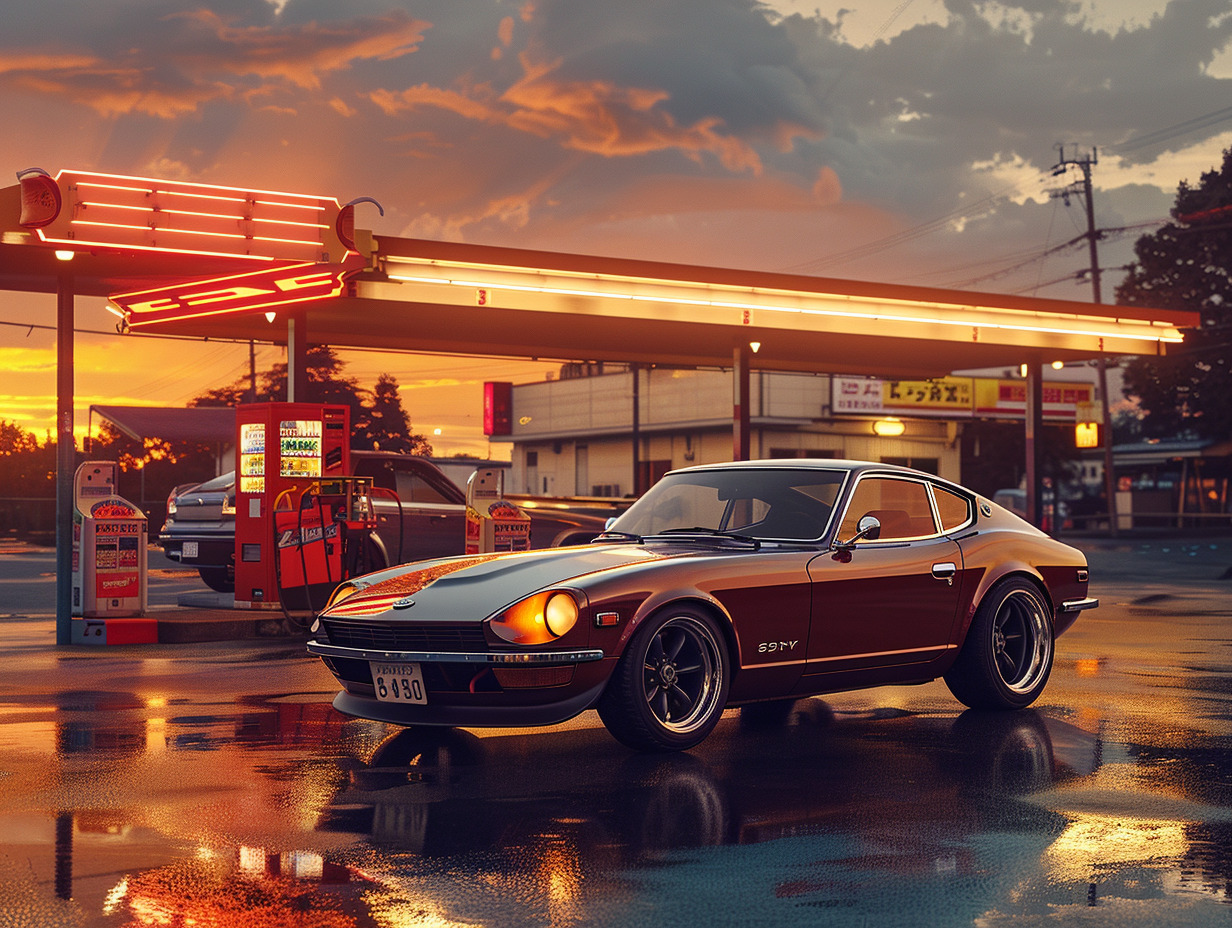
Inevitably, these models reflect Nissan’s expertise in designing robust and high-performing vehicles. But beyond these technical aspects, it is also the design and innovation that continue to attract. In this regard, the myth of the s15 remains a living testament to Nissan’s ability to transcend eras, thanks to vehicles that continually push the boundaries.
Technical Comparison: Engine, Consumption, and Innovation
The Nissan Qashqai comes with a dual engine offering: petrol and hybrid. Its combined consumption is 6.2 liters per 100 kilometers with 140 g of CO2 per kilometer, a balance that reflects optimization between performance and environmental preservation. Transmission options include a six-speed manual gearbox and an automatic transmission, providing drivers with flexibility according to their driving preferences.
With its expressive and assertive design, the Nissan Juke catches the eye and sparks interest. It shares the versatile engine options of the Qashqai, petrol and hybrid, with slightly lower consumption of 5.8 liters per 100 km and CO2 emissions of 133 g/km. The presence of both manual and automatic gearboxes enhances its competitiveness in the compact SUV segment.
The Nissan Ariya, a pioneer in Nissan’s electric range, stands out radically with its 100% electric powertrain. It promises an impressive range of up to 500 km, positioning Nissan as a key player in the energy transition. Its automatic transmission is designed for a smooth and responsive driving experience, with no direct CO2 emissions.
The Nissan X-Trail innovates with e-Power technology, an advanced hybrid solution that combines a petrol engine with an electric motor. It boasts moderate consumption of 4.6 liters per 100 km and reduced CO2 emissions of 105 g/km. The choice between manual and automatic transmission completes this offering, making the X-Trail a balanced choice for families concerned about both space and environmental footprint.
These models illustrate Nissan’s commitment to combining technological innovation and environmental respect while offering various engine and transmission options to meet the diverse demands of consumers.