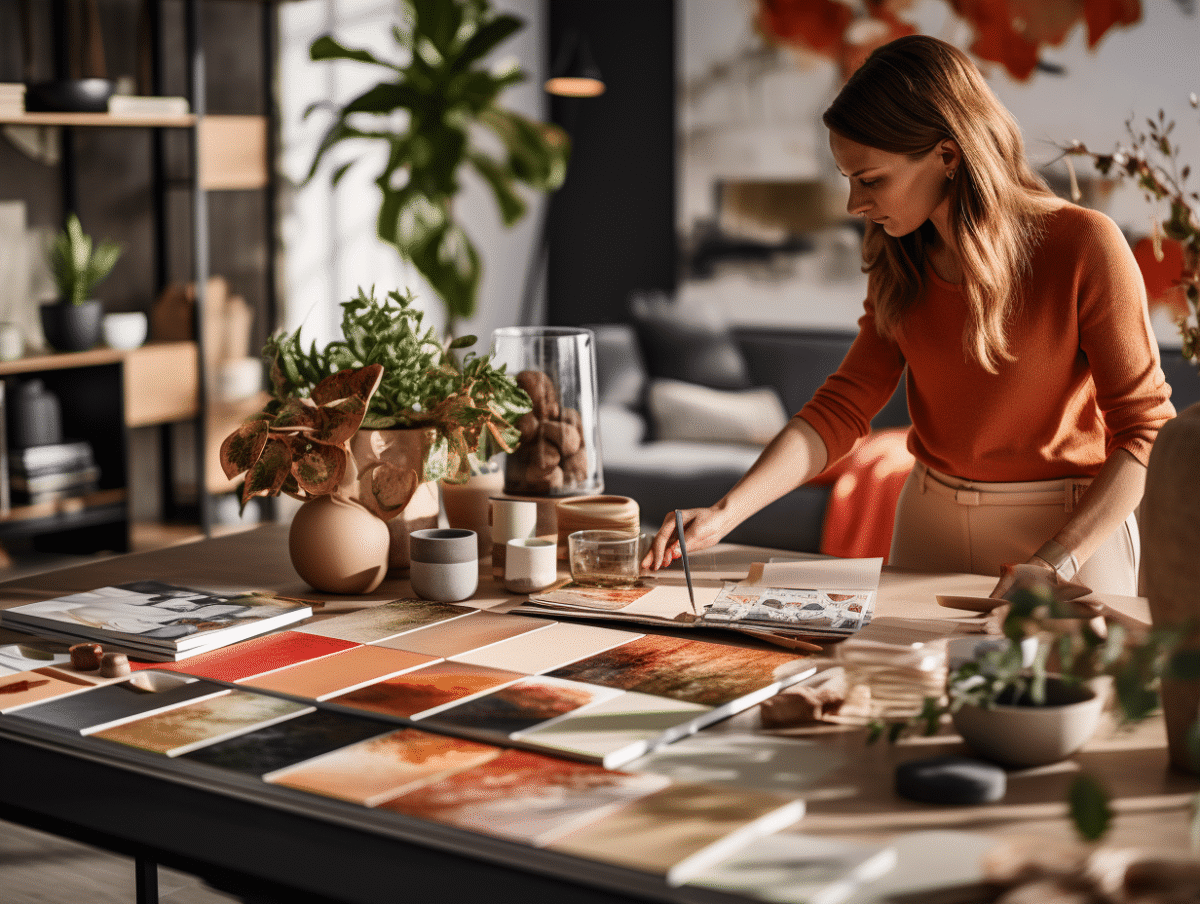
When it comes to transforming a living space, organizing ideas in interior design is fundamental. It is a process that requires creativity and strategy to merge aesthetics and functionality. Whether for a complete renovation or a simple decor update, techniques for organizing thoughts can greatly facilitate the task. This includes the use of mood boards, prioritizing needs and desires, as well as applying visualization methods such as drawing or 3D design software. With the right tools and a clear method, transforming a space becomes an exciting project rather than a source of stress.
Space Optimization and Functionality: Keys to Successful Interior Design
In the vast field of interior design, space optimization and functionality stand out as major axes. Architects such as Rachel Marcus from maéma Architectes and Nicolas Sallavuard from Studio d’Archi provide valuable advice for transforming living rooms into places of comfort and efficiency. The living room, traditionally dedicated to welcoming guests, and the lounge, a more intimate space for reading or resting, must be designed with circulation and light in mind, key elements for a successful layout.
The detailed plan of a room is an indispensable tool for visualizing the available space and considering the arrangement of furniture. Furniture serves not only to furnish; it delineates spaces and can, like glass partitions, visually separate areas without blocking light. In a studio, the trick often lies in choosing a versatile dining table that optimizes space and adds to the multifunctionality of the place.
The kitchen, once isolated, now opens up to the dining room, creating a unique, friendly, and bright living space. The layout of this area should be designed to facilitate movement and maximize storage areas while maintaining a coherent and visually pleasing aesthetic. The approach of these architects emphasizes the importance of considering each piece of furniture not only for its function but also for its impact on the overall organization of the space.
Space optimization in living areas relies on a delicate balance between aesthetics and utility. The glass partition, for example, is a popular choice for its ability to partition space while allowing light to pass through, contributing to a sense of openness and fluidity. Experts’ advice converges towards harmonizing the space to promote smooth circulation and judicious use of furniture for maximized functionality without sacrificing aesthetics.

Storage and Decoration Strategies: Harmonizing Aesthetics and Practicality
Decoration and storage do not compete; they ally to give the living room a strong visual identity and functional efficiency. Industry professionals, such as interior designers, converge on the necessity of harmonizing practical constraints with aesthetic aspirations. Storage furniture thus becomes an integral part of the decor: open shelves to display chosen items, sleek buffets offering considerable storage capacity.
The choice of a dining table, the central element of the dining room, perfectly embodies this duality. It must be both functional for meals and daily activities and aesthetically integrated with the rest of the furniture. Extendable or modular tables present ingenious solutions, adapting to the changing needs of the inhabitants while preserving the harmony of the room.
As for the dining room, it is no longer an isolated space but integrates with the entire living area, often in continuity with the kitchen. This proximity requires coherence in the choice of materials, colors, and shapes to create a smooth transition between different functional zones. Open or closed storage should blend in, contributing to the overall aesthetic without renouncing their primary role.
Decoration is not just a matter of style; it is also a vector of emotions and comfort. Decorative elements, whether wall-mounted or placed, contribute to the room’s ambiance and reflect the occupants’ personality. Mirrors visually enlarge the space, textiles bring warmth and comfort, while plants introduce a touch of nature and freshness. Consider each object not only for its appearance but also for the interaction it has with the space and its utility.