
We eat chicken, canned tuna and peanuts without giving it a second thought. Vitamin PP, or niacin, goes unnoticed on the plate. We notice it when it’s missing: profound fatigue, digestive problems and skin lesions.
Known technically as vitamin B3, it plays a role in more than 400 enzymatic reactions linked to energy metabolism, DNA repair and nervous system function. What also sets it apart from other B vitamins is the confusion surrounding its different forms—nicotinic acid and nicotinamide—which have very different effects at high doses.
Nicotinic acid or nicotinamide: two forms, two risk profiles
When we talk about vitamin PP, we’re actually referring to two distinct molecules: nicotinic acid and nicotinamide (also called niacinamide). In everyday foods, both occur without causing problems. The difference becomes significant at high doses.
Nicotinic acid causes skin flushing (redness and an intense feeling of warmth in the face and chest) in many people, even after their first few tablets. Nicotinamide generally doesn’t trigger this effect. This difference, rarely mentioned on supplement labels, can completely change the user experience.
To understand the role of vitamin PP in the body, we also need to distinguish between nutritional and pharmacological use. Nicotinic acid was long prescribed at high doses to alter blood lipid levels.
According to the NIH Office of Dietary Supplements fact sheet, clinical trials show that changing cholesterol levels in this way does not significantly reduce cardiovascular events. This is far more than a simple vitamin supplement: these doses constitute medical treatment and require regular liver monitoring.

In practice, choosing a vitamin B3 supplement without knowing which form it contains means overlooking its potential side effects. High doses of nicotinic acid put strain on the liver. Nicotinamide is better tolerated for everyday use, but it doesn’t have the same effects on lipids. Both meet basic nutritional needs, but beyond that, their effects diverge.
Vitamin PP and energy metabolism: what happens in every cell
Niacin is a precursor to two coenzymes, NAD and NADP, which are involved in almost all cellular oxidation-reduction reactions. Without these coenzymes, the conversion of carbohydrates, fats and proteins into usable energy breaks down.
The main functions of vitamin PP in the body can be summarized as follows:
- Cellular energy production through the Krebs cycle and respiratory chain, where NAD carries the electrons needed to synthesize ATP
- DNA repair, through enzymes (PARPs) that consume NAD to repair strand breaks—a process that intensifies after UV exposure or oxidative stress
- Neurotransmitter synthesis and use, particularly serotonin, which helps explain the neuropsychiatric problems seen in severe deficiencies
- Maintaining the integrity of the skin and digestive mucous membranes, two rapidly renewing tissues that depend on a steady supply of niacin
A vitamin PP deficiency affects energy, the skin and the nervous system at the same time. This is what makes pellagra, the historically recognized deficiency disease, so distinctive, with its triad of dermatitis, diarrhea and dementia.
Niacin deficiency: early signs and at-risk groups
Full-blown pellagra remains rare in countries where diets are varied. Marginal deficiencies, however, often go unnoticed. Persistent fatigue, irritability and minor mouth sores are nonspecific signs that can be confused with other deficiencies.
Those most at risk include people whose diets rely mainly on untreated maize (an alkaline process called nixtamalization releases the niacin trapped in the grain), people with chronic alcoholism (ethanol interferes with vitamin B3 absorption and metabolism) and patients with inflammatory bowel disease, which reduces nutrient absorption.
One often-overlooked point: tryptophan, an amino acid found in animal proteins, is converted into niacin in the body. A diet low in high-quality protein therefore increases the risk of deficiency, even if vitamin PP intake appears adequate on paper.
High-dose vitamin B3 supplements: what recent research puts into perspective
Several findings published in recent years have prompted a reassessment of niacin supplements outside a strictly nutritional context.
A 2024 study published in Nature Medicine linked high levels of certain niacin breakdown products to an increased cardiovascular risk. This association does not prove that eating niacin-rich foods is dangerous. It does, however, raise questions about the long-term use of high-dose supplements, which produce more of these metabolites.
In dermatology, the ONTRAC trial studied nicotinamide in people who had already had several non-melanoma skin cancers. A protective effect was observed while participants were taking it, but disappeared after treatment stopped. A similar trial in transplant recipients found no significant reduction. These findings are no substitute for sun protection or dermatological follow-up.
In short, the line between nutrition and pharmacology depends on the dose and the form used. Dietary vitamin PP, obtained from meat, fish, legumes or whole grains, meets nutritional needs without raising these concerns. A high-dose nicotinic acid supplement is not a harmless preventive measure: it requires a medical decision, and the expected benefits have not always been confirmed in clinical trials.
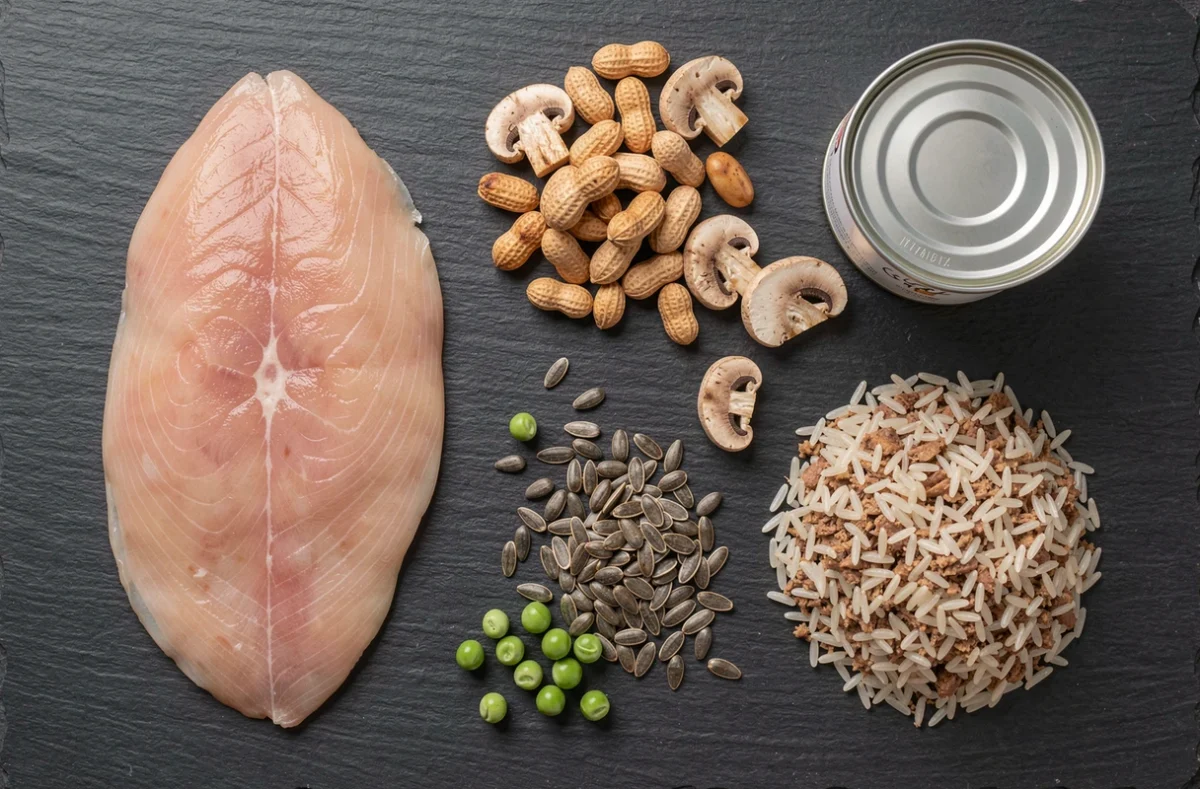
For most adults, dietary intake of vitamin PP is easy to achieve and sufficient. Meat, fish, peanuts, mushrooms and fortified cereals are all widely available sources. Caution is warranted when it comes to concentrated supplements, whose form and dosage can radically alter the balance of benefits and risks.