
Essential oils are a central component of aromatherapy, recognized for their therapeutic and relaxing virtues. Their use is not limited to the use of diffusers. In fact, there are several alternative methods to enjoy their benefits. From topical application after dilution in a carrier oil, to direct inhalation or even adding them to bath water, the ways to integrate essential oils into daily life are varied. These methods allow one to benefit from the properties of plant essences, whether to calm the mind, improve well-being, or promote a healthy environment at home.
Alternative methods to diffusion for enjoying essential oils
Essential oils without the use of a essential oil diffuser can be integrated into our daily lives in multiple ways. While discovering the benefits of essential oils through a diffuser is common, know that the olfactory route, the cutaneous route, and the internal route also offer avenues for exploration. The therapeutic benefits and properties of essential oils are not reserved for a single method of use.
The olfactory route, for example, can be utilized through wet inhalations, dry inhalations, organic diffusers, or even room sprays. These methods allow for the release of aromas and the enjoyment of their beneficial effects without requiring electrical equipment. Organic diffusers, such as aromatic necklaces or porous stones, provide a viable and portable alternative to the essential oil diffuser.
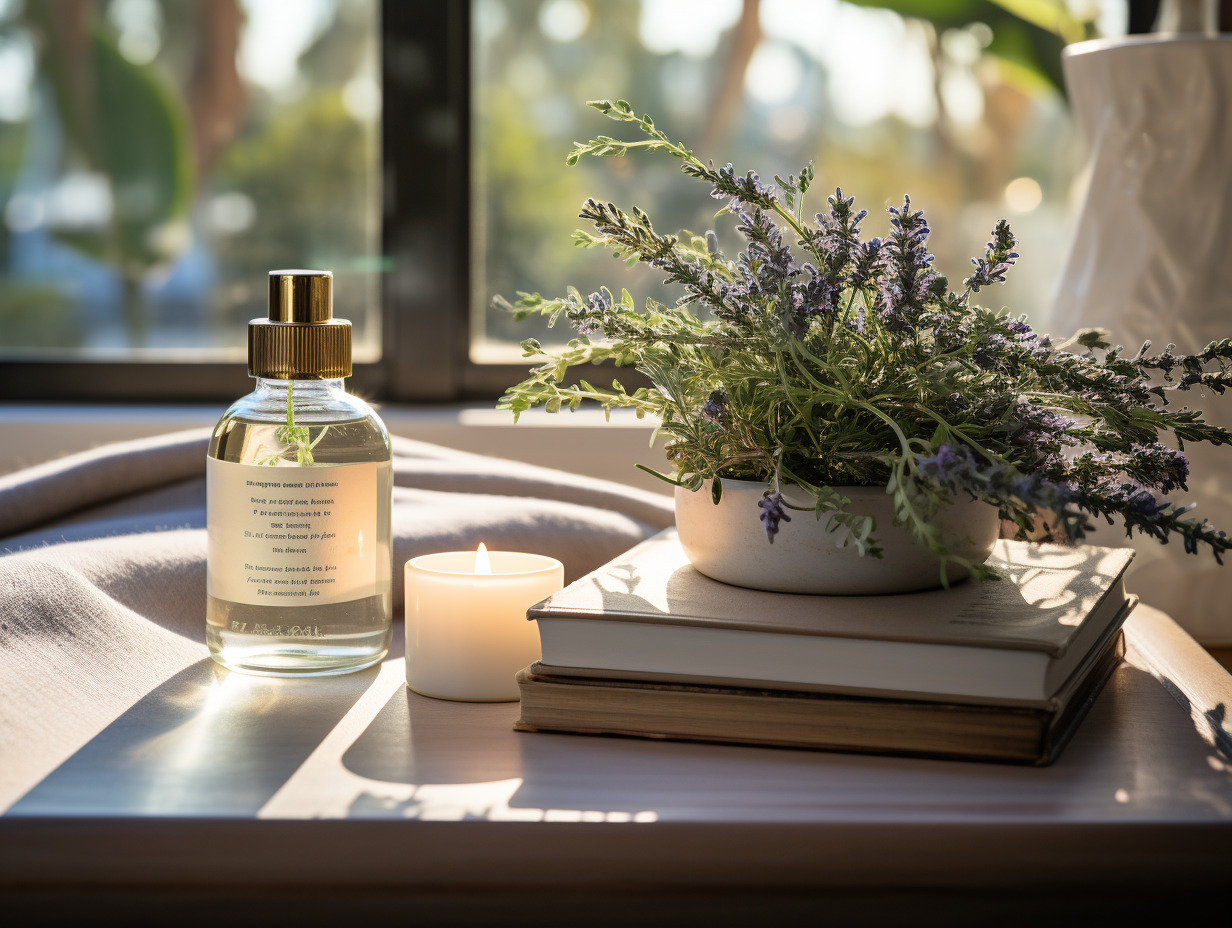
As for room sprays, they represent another interesting alternative. They allow for a delicate fragrance in interiors while dispensing the virtues of the chosen essences. These sprays, whether homemade or purchased commercially, should be used judiciously to avoid any olfactory saturation or undesirable reactions.
Regarding alternative uses of essential oils, they invite immersion in the world of aromas without the constraints of an electrical device. Indeed, whether by adding a few drops to a bowl of hot water for a wet inhalation, or by applying a diluted mixture to the skin, aromatherapy reveals itself with simplicity and effectiveness. These practices, although simple, require knowledge of the essences used and respect for the recommended dosages.
Practical tips and precautions for using essential oils without a diffuser
When approaching aromatherapy without the intermediary of an essential oil diffuser, a series of practical tips is essential to optimize usage and ensure safety. Beginners in aromatherapy should exercise caution, taking the time to inform themselves about the specifics of each essence. Each oil has distinct properties, some of which can be irritating or allergenic. It is therefore advisable to perform a patch test before any application on the skin and to refer to specialist indications to determine the appropriate dilution.
Wet inhalations and dry inhalations are two effective methods for using essential oils without a diffuser. The first involves adding a few drops of essential oil to a container of hot water and inhaling the vapors that arise. This practice is known to relieve the respiratory tract. However, be sure to maintain a respectful distance between your face and the water to avoid any risk of burns. Dry inhalations, on the other hand, can be done by applying a drop of oil to a tissue or pillowcase, allowing for slow and continuous diffusion during sleep.
It is important to emphasize that essential oils are not suitable for everyone. Pregnant women, infants, and individuals suffering from certain conditions must consult a healthcare professional before any use. The same applies to the internal route, which requires prior medical advice, given the potency and potential toxicity of certain essences. Knowledge and respect for precautions for use are the guarantees of beneficial and safe aromatherapy without a diffuser.