
Your Freebox displays a software update notification, your mobile plan has changed its name in the subscriber area, and you’re not quite sure where Free stands. The operator has been making adjustments for several months, sometimes discreetly, sometimes structurally. Between new fiber offers, software developments, and repositioning of mobile plans, here’s what really deserves your attention in the Free universe.
Freebox OS and advanced network functions: what the latest update changes
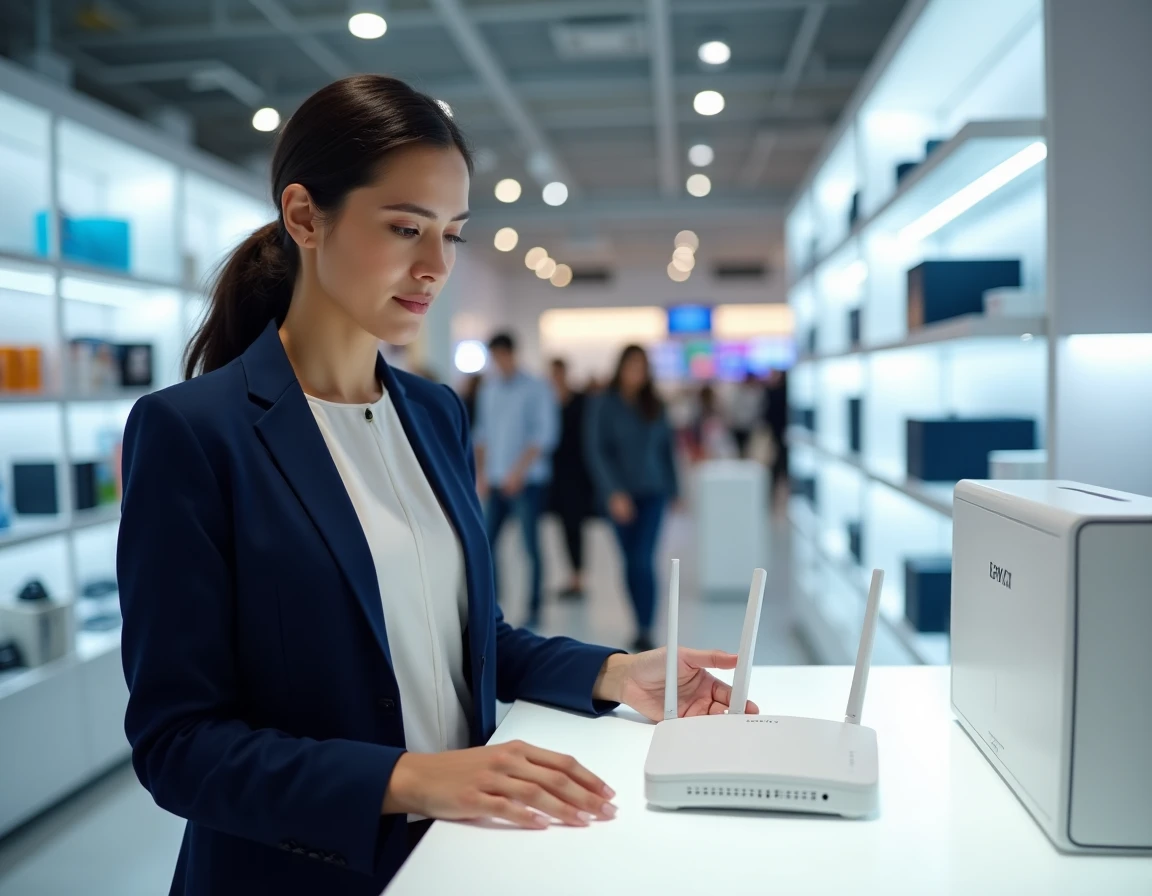
You may have already noticed that a device connected to your Freebox now has a local domain name instead of a simple IP address? This is one of the concrete benefits of the Freebox OS update 4.11.1.
This version introduced two features that primarily appeal to technical users. The first allows you to create static routes to all private IP addresses. In simple terms, if you host a home server or a NAS, you can now direct network traffic more precisely, without relying on external hacks.
The second feature automatically associates a domain name with each network device. Instead of remembering “192.168.1.47”, your printer or camera has a readable identifier. To follow the news from Mister Free Free, these micro-software evolutions often go under the radar, but they transform the Freebox into a nearly professional tool for self-hosters.
This positioning is deliberate. Free targets a category of subscribers that other operators largely ignore: those who want to manage their local network like a small business server, without purchasing additional hardware.
Freebox Pop Loyalty Offer: fiber migration without price shock

Are you still on ADSL with a Freebox Crystal and fiber is coming to your street? Free has designed a specific offer for this situation. The Freebox Pop Loyalty is offered at 29.99 euros per month with no time limit, exclusively for eligible Crystal subscribers migrating to fiber.
Why does this approach deserve to be highlighted? Because it breaks with the usual logic of telecom promotions. Here, there’s no rock-bottom price in the first year followed by a sharp increase. The price remains fixed, and the offer aims at retention rather than acquisition.
What the Pop Loyalty includes concretely
- A switch to fiber with the Freebox Pop box, with no additional migration fees announced in the offer
- Access to the TV by CANAL package, which includes more than 35 channels for the whole family
- A stable price over time, avoiding the unpleasant surprise of the thirteenth month
For a Crystal subscriber who hesitated to migrate for fear of seeing their bill rise, this offer removes the main barrier to switching to fiber. Free is betting on loyalty through gradual upgrades rather than aggressive promotions.
Free Mobile Plans: the shift towards small boosters
On the mobile side, Free has made a discreet but revealing change. The old 40 GB booster, which allowed low-cost plan subscribers to increase their data allowance, has been replaced by a 5 GB booster priced at 3.99 euros.
This is not just a simple reduction in volume. It’s a strategic repositioning. Free is tightening the added value of its entry-level options. The message is clear: the low-cost plan remains a supplementary plan, and for a large data allowance, you need to upgrade to the Free 5G plan.
What this means for subscribers
If you were using the 40 GB booster to avoid taking a more expensive plan, that option has disappeared. The 5 GB booster is suitable for occasional use (a weekend away, a few days without Wi-Fi), but it no longer replaces a truly generous data plan.
This evolution fits into a broader trend. Free is adjusting its margins on entry-level plans while keeping its flagship plan competitive in the 5G and large volume segments. For mobile gamers or heavy streaming consumers, the main plan remains the only coherent choice.
Free and TV content: what’s changing with the Canal package
The inclusion of TV by CANAL in Freebox offers is not new, but its role in Free’s strategy is evolving. The package provides access to channels like Canal+ Séries, National Geographic, or Planète+, depending on the Freebox subscriptions.
You have access to a multi-screen interface. This means that content is not limited to your television. Tablet, smartphone, or computer, viewing follows the subscriber. For households where everyone watches a different program, this is a practical argument rather than a marketing gimmick.
What makes this partnership structural for Free is that it compensates for the absence of a proprietary VOD catalog. While Orange promotes its own productions and SFR relies on its Altice group channels, Free outsources premium content to Canal. The bet is simple: to offer a solid base of channels without investing in production.
Free fiber network: where is the deployment
Free continues to expand its fiber coverage, with a network that is progressing in moderately dense areas. The operator’s logic remains to co-invest with public initiative networks (RIP) to cover rural and semi-rural territories.
To find out if your address is now eligible, the eligibility map on Free’s website remains the most reliable tool. ADSL subscribers located in newly fibered areas are the first targeted by migration offers like the Pop Loyalty.
Free does not communicate a precise schedule community by community, but the current dynamic clearly pushes towards a complete transition from ADSL to fiber in the coming years. If you receive a letter or notification indicating the arrival of fiber, it’s time to compare the offers available at your address.
The operator is going through a phase where spectacular announcements give way to fundamental adjustments. Network updates, targeted loyalty offers, and a refocusing of mobile plans: each component taken in isolation may seem minor, but together they are gradually reshaping Free’s positioning against its competitors.